









 Best Sellers
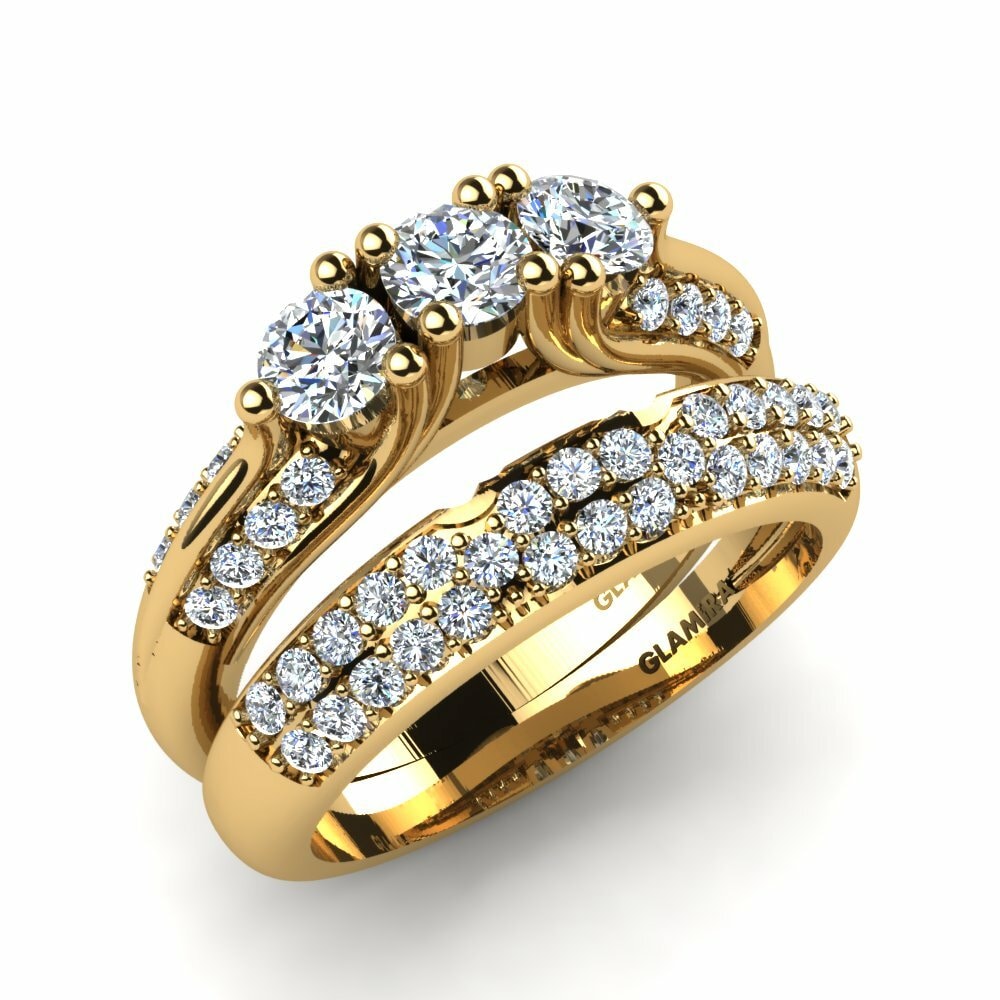
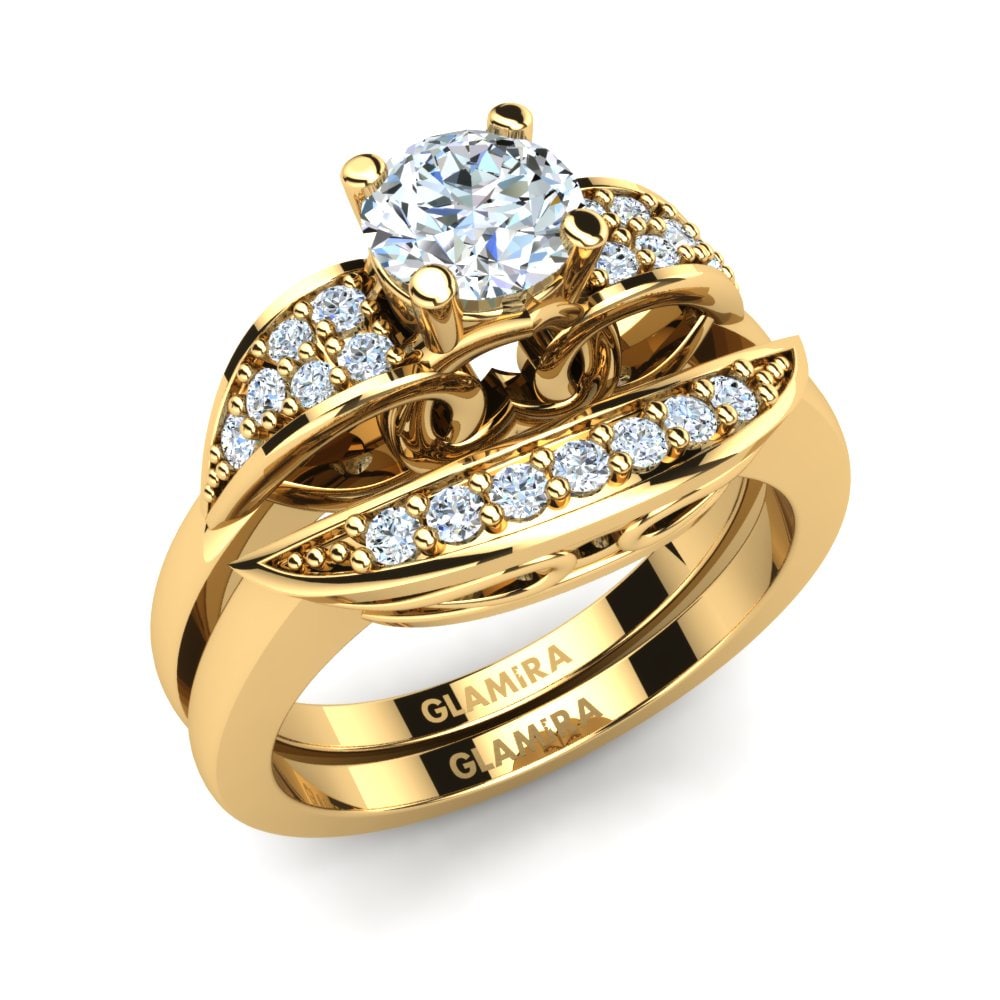
 Best SellersRing Consecratedness SET 14K Yellow Gold & Lab Grown Diamond
0.824 crt - VS
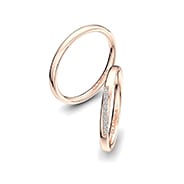
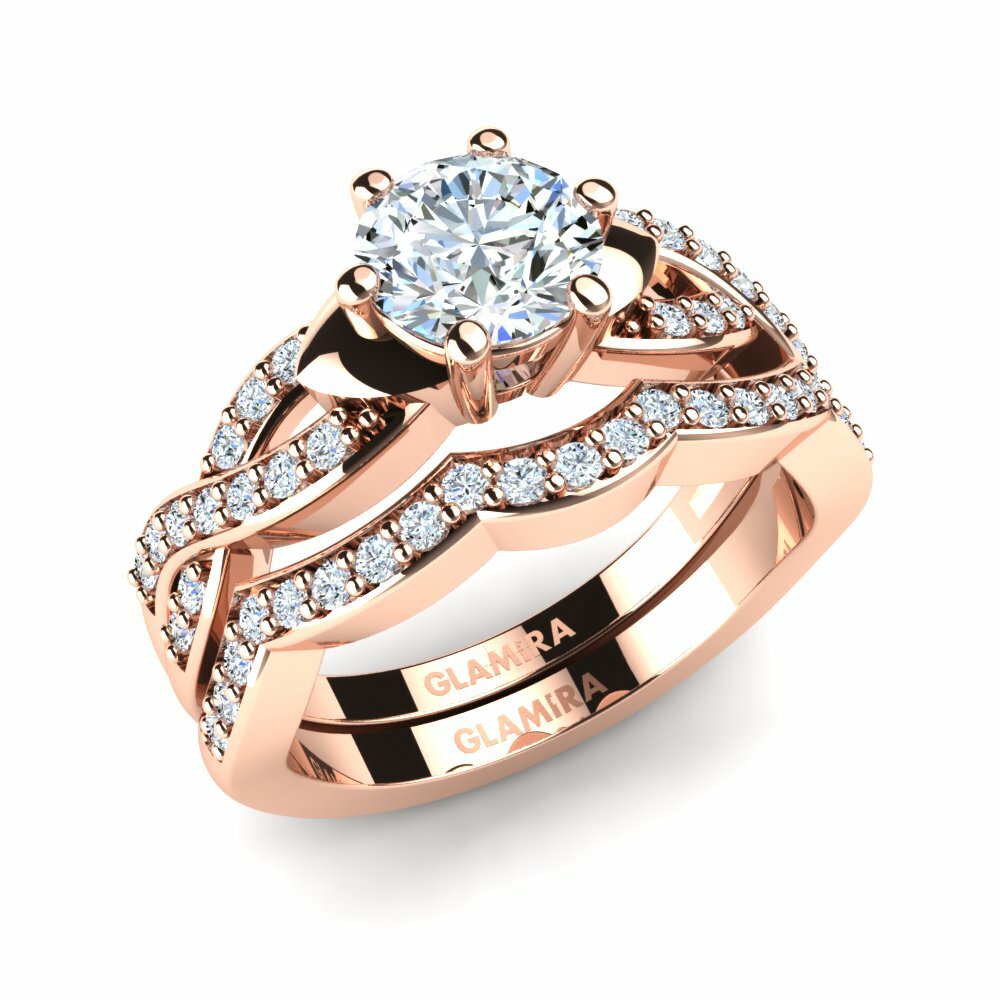
$1,379.00Set Pricefrom $311 Best SellersBridal Set Glowing Beauty 9K Rose Gold & Lab Grown Diamond
0.935 crt - VS
$2,084.00Set Pricefrom $409 Best Sellers
 Best Sellers
 Best Sellers
 Best Sellers
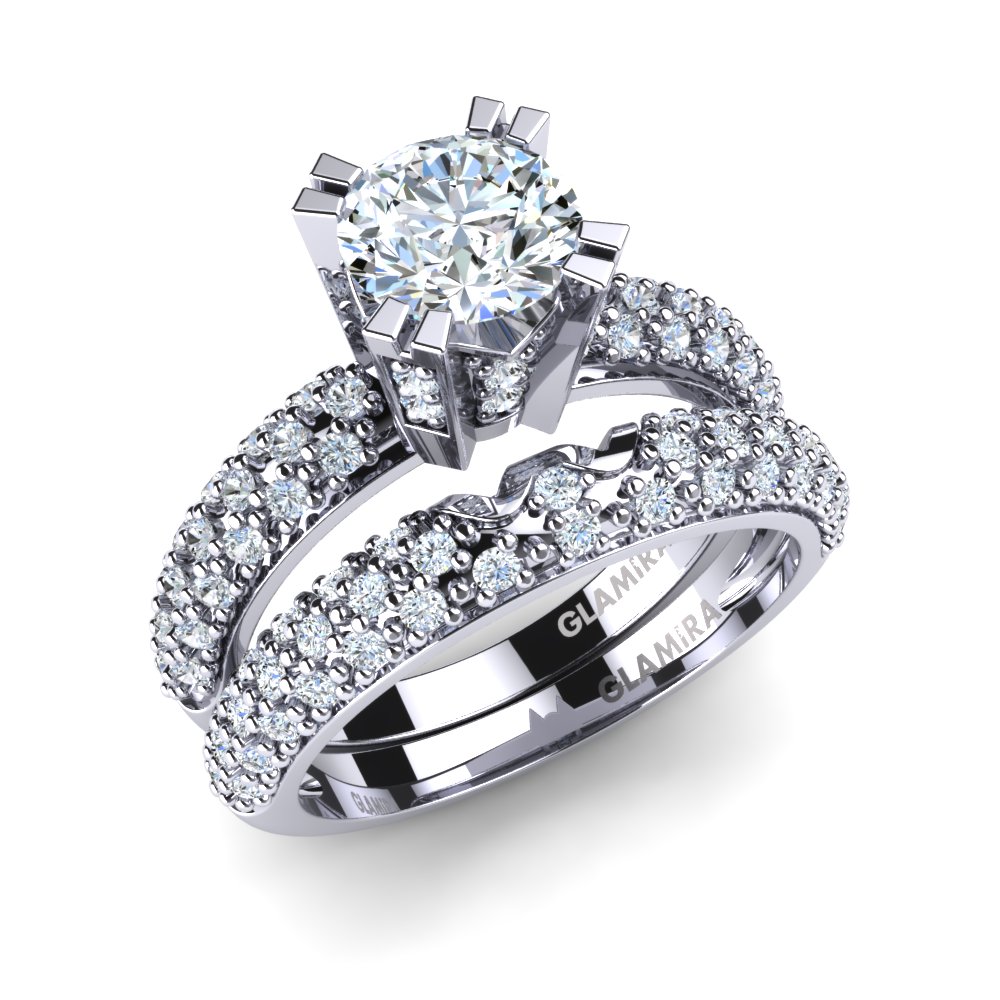
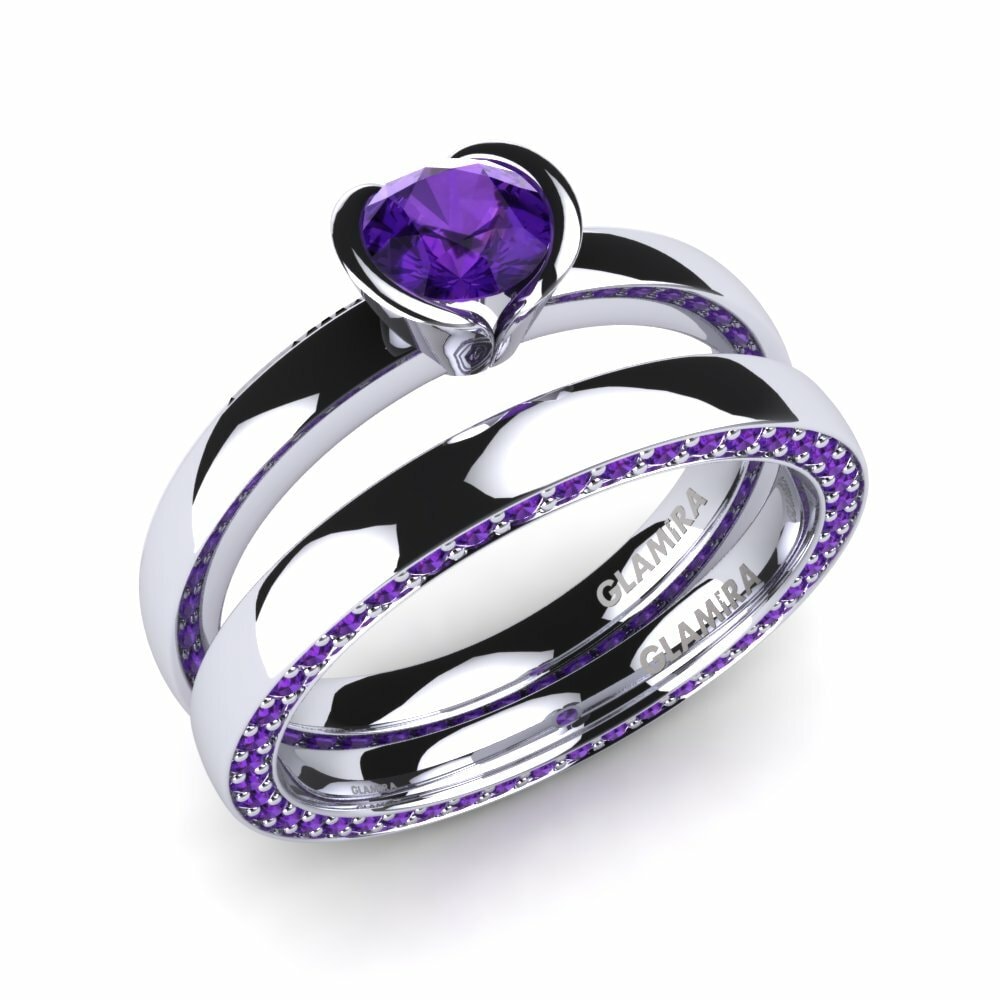
 Best SellersBridal Set Sinuous 14K White Gold & Amethyst & Lab Grown Diamond
1.957 crt - AAA
$2,948.00Set Pricefrom $499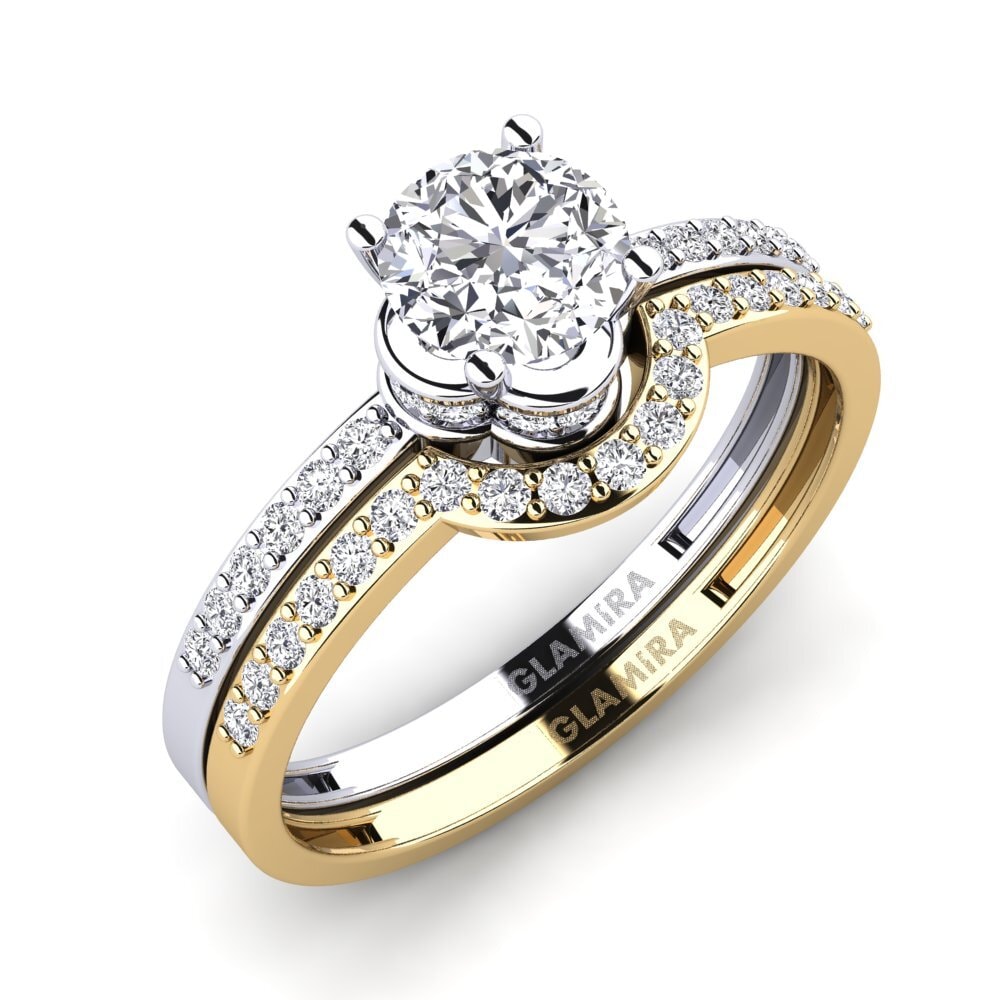 Best SellersBridal Set Htingi 18k White & Yellow Gold & Lab Grown Diamond
0.994 crt - VS
$1,996.00Set Pricefrom $332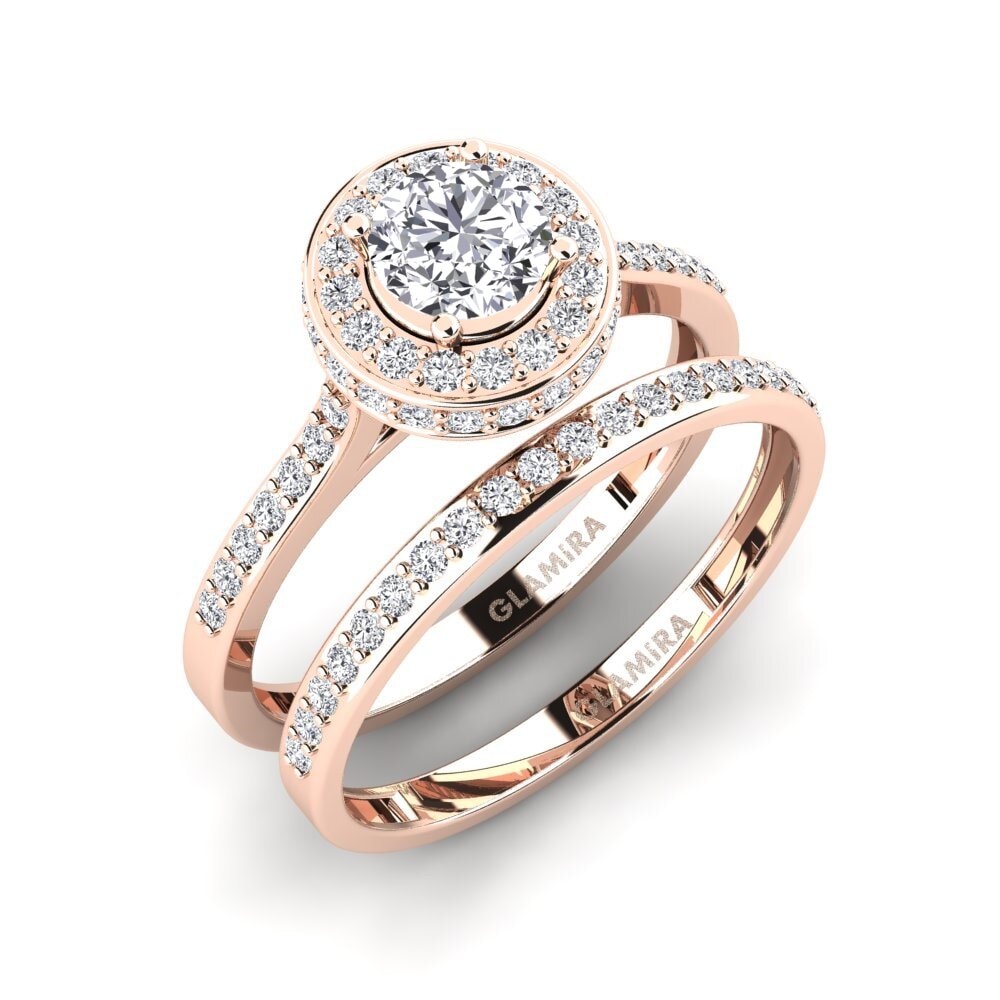 Best Sellers
 Best Sellers
 Best Sellers
 Best SellersBridal Set One Only 14K White Gold & Lab Grown Diamond & White Sapphire
0.54 crt - VS
$2,189.00Set Pricefrom $418 Best Sellers
 Best SellersBridal Set Gemmiferous 14K White Gold & Lab Grown Diamond
1.592 crt - VS
$3,274.00Set Pricefrom $516 Best SellersBridal Set Sumptuous 14K Yellow Gold & Lab Grown Diamond
1.288 crt - VS
$3,660.00Set Pricefrom $494 Best Sellers
 Best Sellers
 Best Sellers
 Best Sellers
 Best Sellers
 Best Sellers
 Best Sellers
 Best Sellers
 Best Sellers
 Best Sellers
 Best Sellers
 Best Sellers
 Best Sellers
 Best Sellers
 Best Sellers
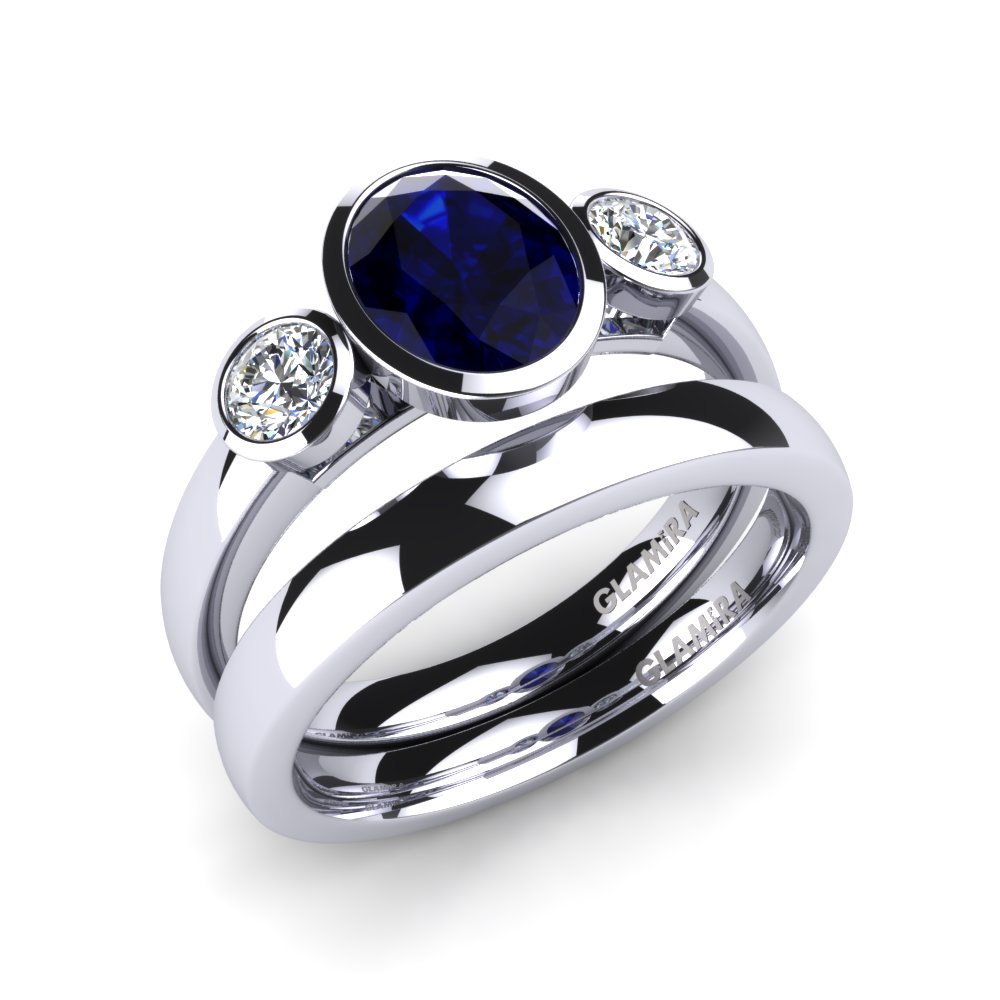 Best SellersBridal Set Exquisite 9K White Gold & Sapphire & White Sapphire
1.41 crt - AA
$2,488.00Set Pricefrom $414 Best SellersBridal Set Splendiferous 18K White Gold & Lab Grown Diamond
1.934 crt - VS
$5,861.00Set Pricefrom $468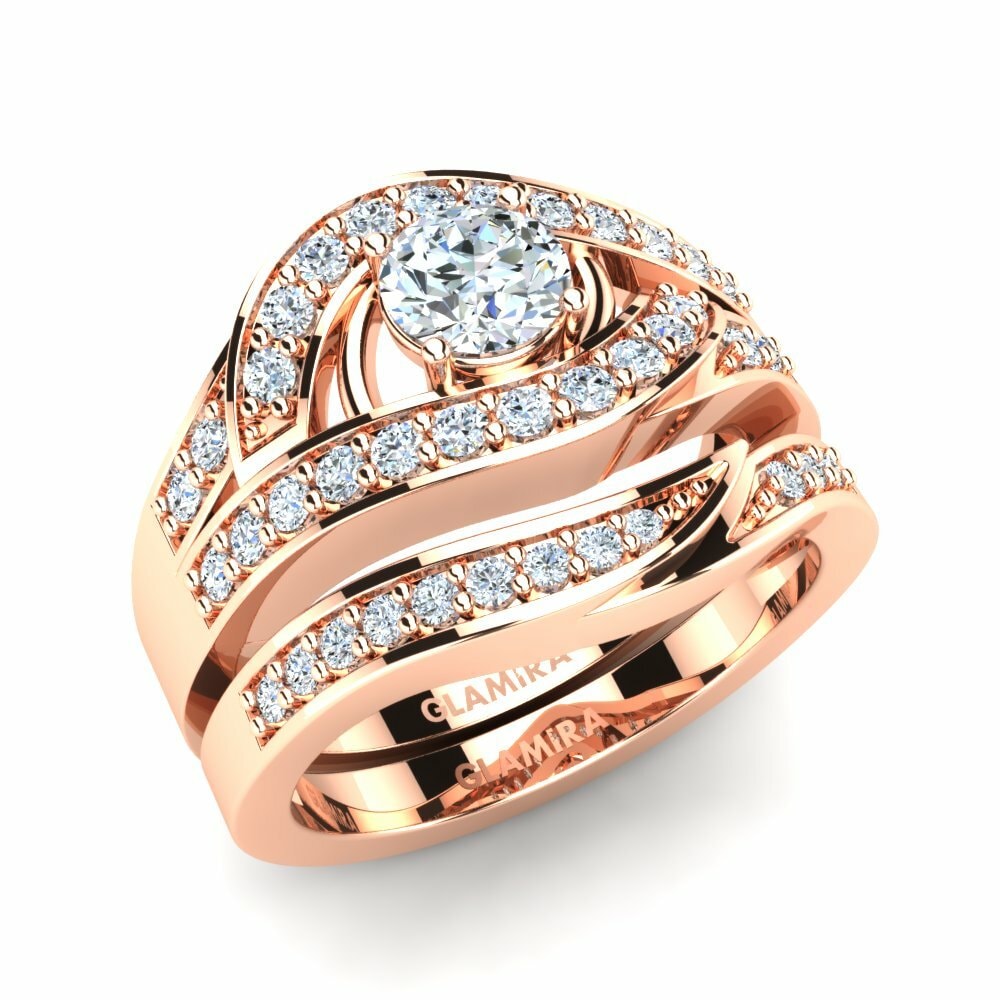 Best SellersBridal Set Flamboyant 14K Rose Gold & Lab Grown Diamond
1.001 crt - VS
$3,355.00Set Pricefrom $526 Best Sellers
 Best Sellers
 Best Sellers




You’ve viewed 45 of 45 products





Bridal Sets FAQ
Bridal sets bring an engagement ring and wedding band together in one coordinated design.
Bridal sets are paired rings created to sit beautifully together, typically combining an engagement ring with a matching wedding band. They mark the move from a proposal to a shared life, giving couples a complete look for both the ceremony and everyday wear. These bridal ring sets are for anyone who wants the center stone, setting details, and band profile to feel intentionally connected rather than selected separately.
At GLAMIRA, every design is configurable and handcrafted to order. You can customize the metal, center stone, accent stones, and engraving to create engagement ring and wedding band sets that reflect your style. Whether you prefer a clean solitaire, a detailed vintage profile, or a diamond-forward pairing, the two rings are designed as a visual match while remaining meaningful pieces in their own right.
Choose a bridal set by setting style, stone character, and metal color.
The right bridal set starts with a setting that suits how your partner wears jewelry. A solitaire keeps attention on one center stone and pairs naturally with a simple, shaped, or pavé band. Halo bridal set rings frame the center with smaller stones for a defined outline and added surface sparkle. Pavé styles use closely set accent stones along the shank, while trilogy designs place three prominent stones across the ring. Tension settings create a modern, open presentation of the center stone, and vintage-inspired settings can feature milgrain, engraving, or ornate gallery details. Side-stone designs add diamonds or gemstones beside the center for a more detailed profile.
Once you have a preferred look, select the stone direction. Classic diamond bridal sets offer a traditional clear, bright appearance, while lab grown diamond bridal sets provide another diamond option. For color, an emerald bridal set brings rich green character, and a sapphire bridal set offers a versatile blue gemstone alternative. A black diamond bridal set creates a striking contrast for a contemporary look.
Metal changes both the color and overall mood of matching engagement ring and wedding band designs. In the United States, 14K gold is a popular fine jewelry choice because it balances rich color with everyday durability. Compare warm yellow gold bridal sets, bright white gold bridal sets, and softly tinted rose gold bridal sets. For a naturally white metal, consider platinum bridal sets or palladium bridal sets.
Diamond and gemstone choices shape the look, sparkle, and color of a bridal set.
The center stone determines much of a bridal set's personality, from the outline seen at a distance to the details noticed close up. Round diamonds are known for balanced brilliance, while oval, pear, marquise, and cushion shapes create a softer or more elongated silhouette. Princess cuts have a crisp square form, emerald cuts emphasize clean step facets, and each shape has its own visual character when paired with a matching wedding band.
For diamonds, the 4Cs are useful comparison points. Cut describes how the stone's proportions and facets interact with light. Color refers to the presence or absence of color in a white diamond. Clarity describes internal characteristics and surface features. Carat is the stone's weight, not its visible dimensions. These qualities work together, so it is helpful to consider the overall appearance rather than relying on one factor alone.
GLAMIRA offers both natural and lab-grown diamonds. Both are diamonds with the same chemical composition and crystal structure, while their origins differ. Colored gemstones offer another personal route: sapphire comes in more than blue, ruby brings red color, and emerald is valued for its green hue. Consider a gemstone's color, shape, and setting protection when choosing a ring intended for frequent wear. Accent diamonds can also add contrast around a colored center stone.
How do you choose the right bridal set for your partner?
Choose the right bridal set by matching its metal, proportions, and details to the jewelry your partner already wears. Look at the pieces they reach for most often. White-toned jewelry may point toward white gold, platinum, or palladium, while a preference for warm metals can suggest yellow gold or rose gold. Notice whether their style is minimal, vintage-inspired, bold, or fine and delicate. A simple solitaire may suit someone who favors clean lines, while halos, pavé bands, and side stones often appeal to someone who enjoys visible detail.
For a surprise proposal, borrow a ring they already wear on the intended finger if possible, or trace its inside diameter discreetly. The United States uses numeric ring sizes, such as 6, 7, and 8, so a measured ring can help identify an appropriate size. Keep in mind that a ring worn on another finger may not translate exactly.
Think about the band as part of the full composition. A straight wedding band may suit a raised solitaire, while a contoured band can follow a lower or wider center setting. If you are choosing together, custom bridal sets make it possible to balance one partner's preferred center stone with the comfort, finish, and profile they want for daily wear.
GLAMIRA makes each bridal set to order around your selected details.
GLAMIRA creates bridal sets through a configurator that lets you select the metal, stone, and engraving for your chosen design. Each ring is handcrafted to order after those choices are made, so the engagement ring and wedding band are produced as a coordinated pair.
| Metal option | Available purities | Character |
|---|---|---|
| Yellow, white, and rose gold | 9K, 14K, 18K gold | Gold offers a choice of color and purity for different design preferences. |
| Platinum | Platinum | A naturally white precious metal with a substantial feel. |
| Palladium | Palladium | A naturally white precious metal with a lighter feel than platinum. |
| Silver | Silver | A bright white metal option for selected designs. |
Free engraving allows you to add a private date, initials, or message where the design permits. Your order also includes free US shipping, 60-day returns, and a lifetime warranty. These services support a considered purchase while keeping the focus on the choices that make the rings yours.
Bridal sets reflect American proposal traditions and the occasions that surround them.
In the United States, an engagement ring is traditionally worn on the left hand, followed by the wedding band as part of the wedding ceremony. Bridal sets make that transition visually simple because the two rings have already been designed to work together. They are most often chosen for a proposal and wedding, but a coordinated ring pairing can also commemorate an anniversary or a meaningful renewal of commitment.
The period from Thanksgiving through Valentine's Day is widely known as proposal season in the United States. That makes the holidays and Valentine's Day natural moments to plan an engagement, while anniversaries provide another occasion for adding or upgrading a matching band. Classic tastes often favor a diamond solitaire in yellow gold, white gold, or platinum. Current preferences can also include oval and pear shapes, colored center stones, mixed metal looks, and more distinctive vintage or side-stone settings. The best choice is the one that suits the wearer, not a passing style.
